
Trusted Guide to Testing for Social Anxiety: Methods, Benefits, and Practical Next Steps
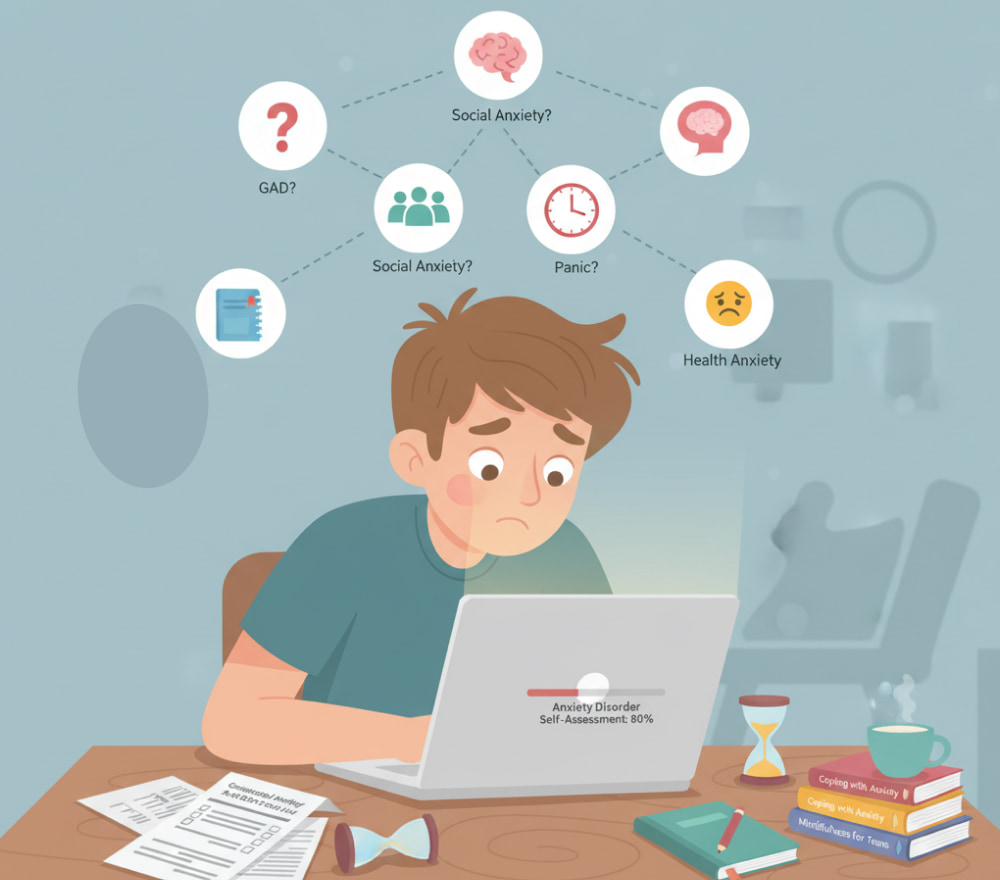
Take Anxiety Disorder Test Online
Get StartedWhat Screening Really Measures and Why It Matters
People who struggle with intense fear of scrutiny often wonder whether their reactions are typical stress or something that deserves closer attention. A good screening tool translates lived experience into measurable patterns, highlighting severity, triggers, and functional impact across school, work, and relationships. Rather than labeling anyone, these instruments shine a light on avoidant cycles, anticipatory worry, and safety behaviors that quietly keep anxiety in place. When interpreted thoughtfully, they offer a map, not a verdict, and can nudge someone toward supports that actually fit their life.
Many readers eventually try a social anxiety disorder test because they want objective feedback to complement personal reflection. Beyond a simple score, robust tools distinguish between performance concerns, generalized shyness, and pervasive fear of negative evaluation that drives avoidance. Results also help clarify frequency and intensity of symptoms, indicating whether discomfort is narrow and situational, or widespread and impairing. With that clarity, people can decide if self-guided strategies suffice or if professional care would accelerate recovery.
Clinicians typically interpret an assessment social anxiety disorder alongside a timeline of symptoms, comorbid stressors, and day‑to‑day functioning. Screening never replaces diagnosis, yet it flags risk, documents progress, and supports shared decision‑making. Combined with personal goals, these data inform a plan that may include skills training, cognitive strategies, exposure exercises, or supportive coaching. This alignment between numbers and narrative is what transforms a checklist into a catalyst for change.
How Evidence‑Based Tools Are Designed, Validated, and Delivered
Reliable screeners rely on psychometrics: clear constructs, well‑written items, and strong validity evidence. Items typically probe fear of judgment, avoidance intensity, and distress during conversations, presentations, or meeting new people. Response scales are usually Likert‑style, which allows nuanced tracking of change over weeks. High internal consistency and stable factor structure help ensure the total score reflects what it claims to measure. Normative data also matter, because meaningful interpretation depends on comparing your score to established benchmarks.
Many people prefer a social anxiety disorder questionnaire with plain language, minimal jargon, and concrete examples. Good design reduces ambiguity by anchoring items in recognizable moments such as speaking up in class, eating in public, or returning an item to a store. Accessibility features, screen reader compatibility, mobile responsiveness, and culturally sensitive wording, broaden usefulness while limiting response bias. Before you begin, it helps to set aside a quiet space and a few minutes to focus without interruptions.
| Format | Typical time | Strengths | Considerations |
|---|---|---|---|
| Self‑report checklist | 5–10 minutes | Fast, private, easy to repeat for progress tracking | May reflect mood of the moment; needs honest responding |
| Digital adaptive form | 7–12 minutes | Tailors items to your answers; reduces burden | Requires stable internet; must protect data |
| Clinician‑guided interview | 20–40 minutes | Clarifies context and rules out look‑alikes | Less anonymous; scheduling and cost factors |
Some readers appreciate knowing that research tools and consumer tools share DNA with each other, though rigor varies. You might see wording that explores situations like ordering food, entering a crowded room, or asking a question in a meeting. For extra precision, a practitioner could pair a brief survey with behavioral observations or daily diaries that capture real‑world avoidance. That blend reduces blind spots and helps translate insights into concrete action.
Individuals exploring options often complete a test social anxiety disorder after a stressful event, which can inflate scores if emotions run hot. To counter this effect, try taking the measure again on a calmer day and average the results. If the range remains high, that consistency suggests a durable pattern worth addressing. Consistent patterns, not one‑off spikes, usually drive treatment planning.
People who value convenience may choose a social anxiety disorder online questionnaire for its privacy and speed. Secure platforms let you revisit results, track change, and share a summary with a counselor if you wish. When platforms disclose scoring logic and privacy practices in clear language, trust grows and participation improves. Transparency is not just ethical; it improves data quality.
Making Sense of Scores and Planning Next Steps
Numbers become useful when the meaning is clear and grounded in your priorities. A practitioner might integrate a social anxiety disorder assessment score with impairment ratings to judge how much anxiety interferes with studying, collaborating, dating, or public speaking. If avoidance blocks important goals, structured exposure exercises can be mapped in gentle steps that respect both difficulty and motivation. Over time, repeating the same measure reveals whether strategies are working or need adjustment.
People who are testing the waters sometimes start with a social anxiety disorder self test to set a baseline, then revisit it monthly. A simple trend line can spotlight wins you might overlook, like attending a group meeting or initiating a brief conversation. If scores plateau, consider adjusting the plan: refine exposure hierarchies, add skills for managing anticipatory worry, or consult a specialist. Progress typically accelerates when feedback loops are tight and specific.
While scores are informative, context is everything. Sleep debt, caffeine, illness, or life stress can nudge results up or down, so annotate your results with brief notes. Keep expectations realistic and celebrate small behavioral gains, because persistence builds confidence faster than chasing perfect numbers. The destination is flexibility and participation in valued activities, not zero anxiety.
Focus on Adolescents and Children
Developmental stage shapes how fear of scrutiny shows up at school and at home. Teachers might notice class avoidance, minimal participation, or prolonged bathroom breaks during presentations. Caregivers often see long preparation rituals, repeated reassurance seeking, or refusal to attend social events. In these contexts, families may seek guidance tailored to social anxiety disorder teens, because milestones and peer dynamics powerfully influence motivation and coping.
Educators frequently flag early warning signs like chronic “forgot my homework” excuses that coincide with oral reports. Coaches may observe a capable athlete sitting out team bonding events or skipping tryouts. For families and schools collaborating on support plans, resources framed for teens social anxiety disorder can normalize the experience and offer classroom accommodations that reduce avoidance while building skills. Targeted strategies keep students engaged without overwhelming them.
Parents sometimes wonder how to distinguish hesitance from a pattern that needs attention. Pediatric‑friendly tools can help, especially when considering a child social anxiety disorder test in partnership with a healthcare professional. Short, concrete items about playground interactions, birthday parties, or reading aloud can capture meaningful distress. Pairing results with teacher input and observation provides a well‑rounded picture that guides gentle, age‑appropriate supports.
Tips for Taking a Screening Responsibly and Privately
Preparation matters more than most people realize. Choose a quiet time of day, silence notifications, and approach the questions with curiosity rather than perfectionism. If an item feels ambiguous, think of a recent example and answer based on that snapshot. After you finish, jot three sentences about what surprised you, what resonated, and what you’d like to change in the next month.
Some readers enjoy the motivational boost of a social anxiety disorder quiz, especially when paired with a tracker for practice goals. To maintain privacy, clear your browser cache on shared devices and avoid public Wi‑Fi if the tool requires log‑in. If you decide to share results, include a brief note about your top values so supporters understand why change matters to you. Clarity fuels momentum.
To get the most from any screener, repeat it at consistent intervals and tie results to small, behavioral experiments. Pick one situation each week, plan a tiny exposure, and rate distress before and after. This process builds evidence that anxiety can ebb with practice, teaching your brain new predictions about safety and capability. Over time, many people discover their world expanding in meaningful ways.
FAQ: Common Questions About Testing and Results
Are these tools diagnostic or just indicative?
Screening instruments are indicative, not diagnostic. They estimate the likelihood that your patterns align with a specific profile and suggest whether further evaluation is sensible. Diagnosis requires a comprehensive clinical interview that considers history, impairment, differential factors, and your personal goals. Think of a screener as a compass, not a final verdict.
How accurate are brief checklists compared to longer interviews?
Brief checklists often show strong reliability and correlate well with longer measures, especially for flagging moderate to high concerns. Interviews add nuance by clarifying context and ruling out look‑alike issues such as autism spectrum traits, depression, substance effects, or medical causes. The best approach blends self‑report data with conversation and observation.
What score range suggests I should seek professional help?
Scores in the upper bands typically indicate notable interference with daily life and warrant a professional opinion. That said, any level of distress that blocks important goals is a valid reason to consult. If you’re unsure, schedule a brief screening visit and bring your results; a clinician can translate scores into a practical plan.
Can lifestyle factors shift my results from day to day?
Yes, temporary influences like poor sleep, high caffeine, illness, or acute stress can nudge scores upward. Conversely, a calm day may yield lower ratings. To see the signal behind the noise, test at similar times, note relevant factors, and look for trends across multiple administrations rather than fixating on a single data point.
What should I do after completing a screener?
Start by summarizing your main triggers, the situations you avoid, and one small step you’re willing to try this week. If results suggest substantial interference, consider professional guidance to design a graded exposure plan and build coping skills. Whether you choose self‑help or therapy, track progress so adjustments can be made quickly and confidently.